Electric vs Petrol Pressure Washers: Which Model Is Superior?
Neither electric nor petrol pressure washers are superior for every cleaning job. Electric models generally suit occasional household cleaning, while petrol models often suit larger properties and demanding outdoor work. For Western Sydney homes and businesses, the best choice depends on the surface, water flow, access to power and how frequently the machine is used.
Electric Pressure Washers: Convenient for Everyday Cleaning
Electric pressure washers are usually lighter, quieter and easier to maintain than petrol machines. They need no fuel storage or engine oil changes, making them practical for cleaning outdoor furniture, vehicles, small paved areas and moderately dirty patios.
Their main limitation is access to a suitable electrical outlet. Entry-level models can also have lower water flow, which makes large driveways slower to clean. However, electric does not automatically mean low-powered: commercial electric machines can deliver substantial cleaning performance.
Electrical Safety Matters
Use an RCD-protected supply and keep plugs and connections dry and away from pooled water. Follow the manufacturer’s instructions on extension leads; some machines require direct connection to an outlet. Never use damaged leads or operate equipment with wet electrical connections.
Petrol Pressure Washers: Useful for Larger Outdoor Jobs
Petrol pressure washers operate without a mains electrical connection. Many professional models offer higher water flow and sustained output, helping operators clean extensive concrete, large paved areas and commercial outdoor surfaces efficiently.
They are generally heavier, noisier and more expensive to maintain. Fuel, oil, filters and servicing add to their running costs. A petrol engine also does not guarantee better cleaning: pump quality, nozzle selection and operator technique remain important.
Ventilation and Fuel Safety
Never operate a petrol pressure washer indoors or in enclosed or partially enclosed spaces. Exhaust contains carbon monoxide, which can be fatal. Keep the engine outdoors, away from doors, windows and air intakes. Shut it down and allow it to cool before refuelling.
Compare Water Flow, Not Just Pressure
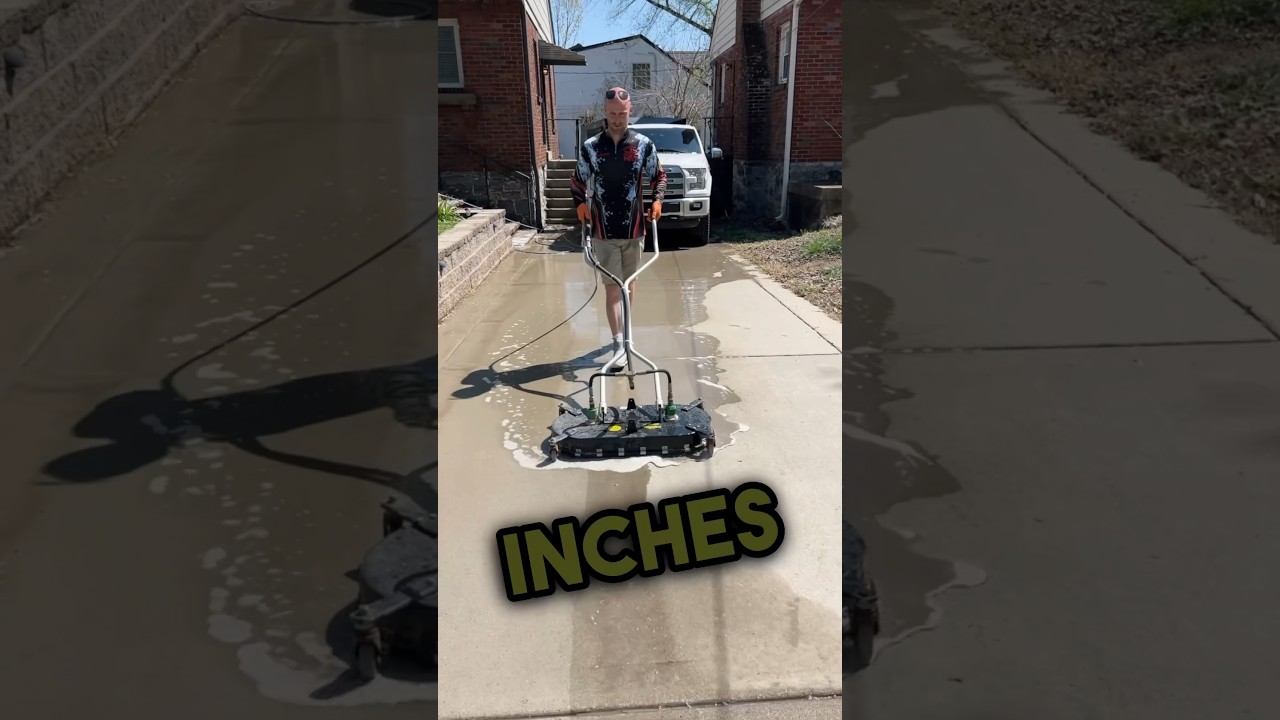
Pressure, commonly expressed in PSI or bar, helps loosen dirt. Flow rate, measured in litres per minute, helps carry it away. For a broad concrete driveway in Penrith, Blacktown or Parramatta, a higher-flow machine with a compatible surface cleaner may complete the job faster than a machine advertising high pressure but delivering little water.
Compare rated working pressure, rated flow and permitted operating time, rather than relying only on maximum-pressure marketing claims. Confirm that your tap can supply the required flow and that hoses and attachments match the machine’s specifications.
More pressure is not always better. Excessive force can etch concrete, strip coatings, dislodge paving sand and damage timber or mortar. Test an inconspicuous area, start with a wider spray pattern and follow surface-specific cleaning guidance. Never direct the jet at people, pets or electrical equipment.
Western Sydney Water, Runoff and Noise Considerations
Before cleaning in 2026, check Sydney Water’s current water-use rules and any restrictions applying to your address. Requirements can change, so do not assume that a pressure washer is permitted for https://andersontzmv730.evergrovio.com/posts/eliminating-lichen-and-moss-from-terracotta-roof-tiles every task simply because it uses a trigger gun.
Plan where wastewater will go. Keep detergent, oil, sediment and contaminated wash water out of stormwater drains. Sweep up loose debris first and use suitable containment or wastewater recovery where needed. Follow local council requirements and seek advice on lawful disposal for commercial or contaminated cleaning.
Petrol machines can also disturb neighbours. Check applicable NSW residential noise rules and council guidance, then schedule cleaning at an appropriate time. Electric models are usually quieter, but their pumps and spray still generate noise.
Which Model Should You Choose?
- Choose electric for occasional domestic cleaning, smaller areas, convenient power access and lower routine maintenance.
- Choose petrol for larger outdoor areas, frequent demanding work or locations without suitable electrical access.
- Consider hiring a professional for delicate surfaces, extensive staining, difficult drainage or jobs requiring specialised equipment and wastewater recovery.
For most Western Sydney households, a well-matched electric pressure washer is the more practical purchase. Petrol often makes sense when productivity and mobility justify the extra cost, noise and maintenance. Ultimately, the superior option is the one that cleans the surface safely and efficiently—not simply the one with the highest advertised pressure.
Western Sydney Pressure Cleaning
Unit 2/1 Cowpasture Pl, Wetherill Park NSW 2164
(02) 9000 1596